Thirty years covering
space travel, rockets, and launch missions.
Space Travel has been reporting since 1995. Browse the full archive below by year and month, or jump to a beat: Space Travel, Rocket Science, Launch Pad.
Recent
All articles →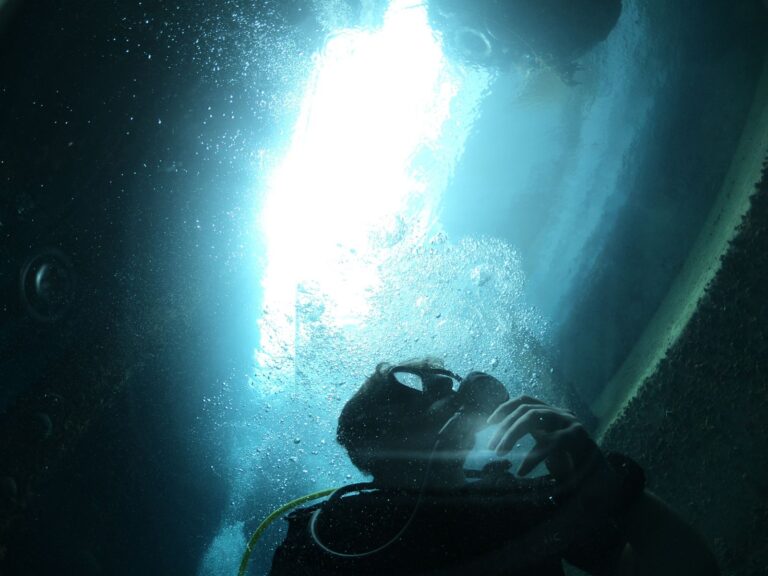
Between 2020 and 2024, a Chinese-led team used the submersible Fendouzhe to survey seven hadal regions in the Indo-Pacific and found rich protist-dominated communities living on rocks more than nine kilometres down, where hard-substrate life had been largely unknown
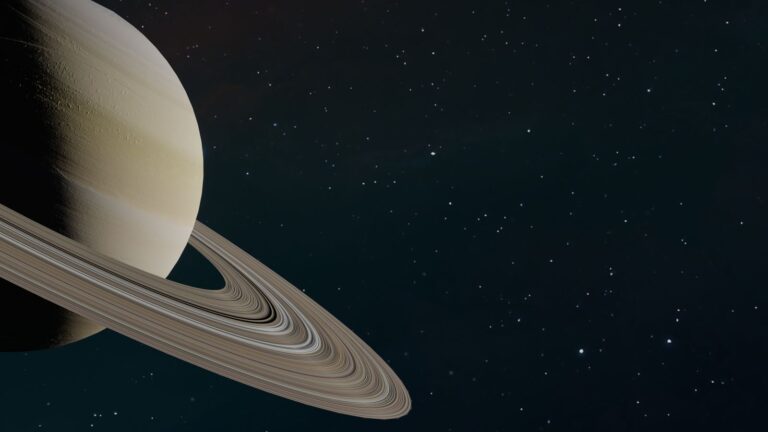
Saturn's famous northern hexagon has stood in place for more than 40 years of observations, and now Hubble has caught a matching 10-sided wave beginning to form around the planet's south pole as its seasons swing that hemisphere back into view
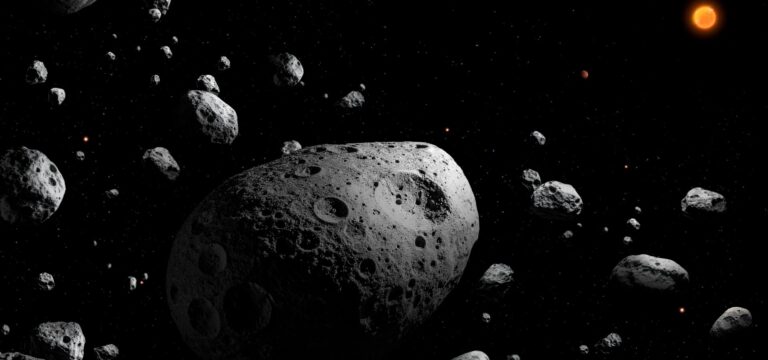
A 710-metre asteroid in the main belt was found completing one rotation every 1.88 minutes—about 70 times faster than the limit beyond which a loosely bound rubble pile should begin breaking apart. Modelling suggests 2025 MN45 requires cohesion comparable to solid rock, perhaps because it is a compact fragment left by the destruction of a larger parent body.
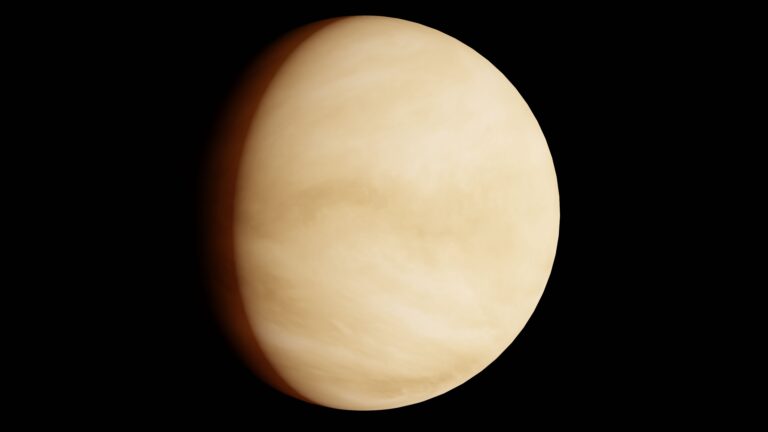
Venus’s 467°C surface can melt lead and has destroyed landers within minutes or hours, yet at roughly 50 kilometres altitude its thick atmosphere provides radiation shielding comparable to Earth’s. Curiosity measured about 0.67 millisieverts per day on the Martian surface, making a floating Venus habitat substantially safer from radiation—though certainly not from sulphuric acid, carbon dioxide or the challenges of remaining airborne.