
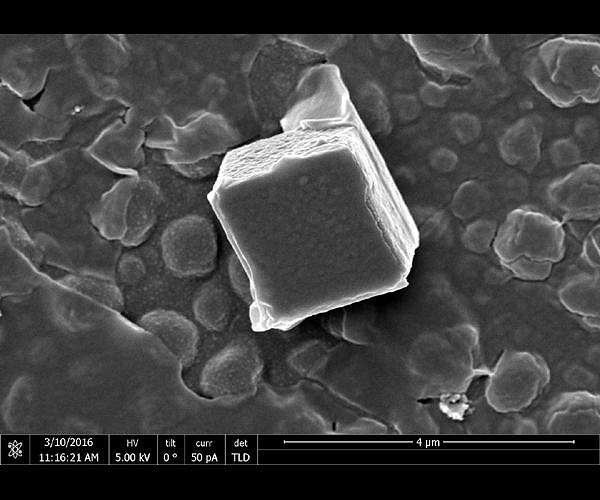
Researchers at Southeast University have developed a cement-based material capable of turning waste heat into electricity, paving the way for self-powered buildings and infrastructure. The new thermoelectric cement combines traditional cement with conductive additives and layered structures to convert heat differentials into usable energy.
The project team, led by Professor Zhou Yang, designed the composite to achieve a high Seebeck coefficient and strong mechanical durability. By carefully engineering the interfaces between cement and conductive materials, the researchers enhanced the material's charge transport efficiency without compromising strength.
According to the team, the cement-based thermoelectric can be fabricated using standard industrial processes, making it cost-effective for large-scale deployment. The technology could one day enable roads, bridges, tunnels, and buildings to generate electricity from ambient heat or sunlight, supporting sensors, smart connectivity, and monitoring systems without needing external power sources.
"Our goal is to create smart materials that make urban spaces more sustainable while maintaining the robustness of traditional construction materials," said Zhou. The researchers believe their approach could redefine the integration of energy conversion and structural performance.
Research Report:Cement-Based Thermoelectric Materials, Devices and Applications
