What's up in
Space Travel
Human spaceflight, commercial missions, astronaut life, station operations, space medicine, and the technologies making travel beyond Earth more accessible.
Space Travel
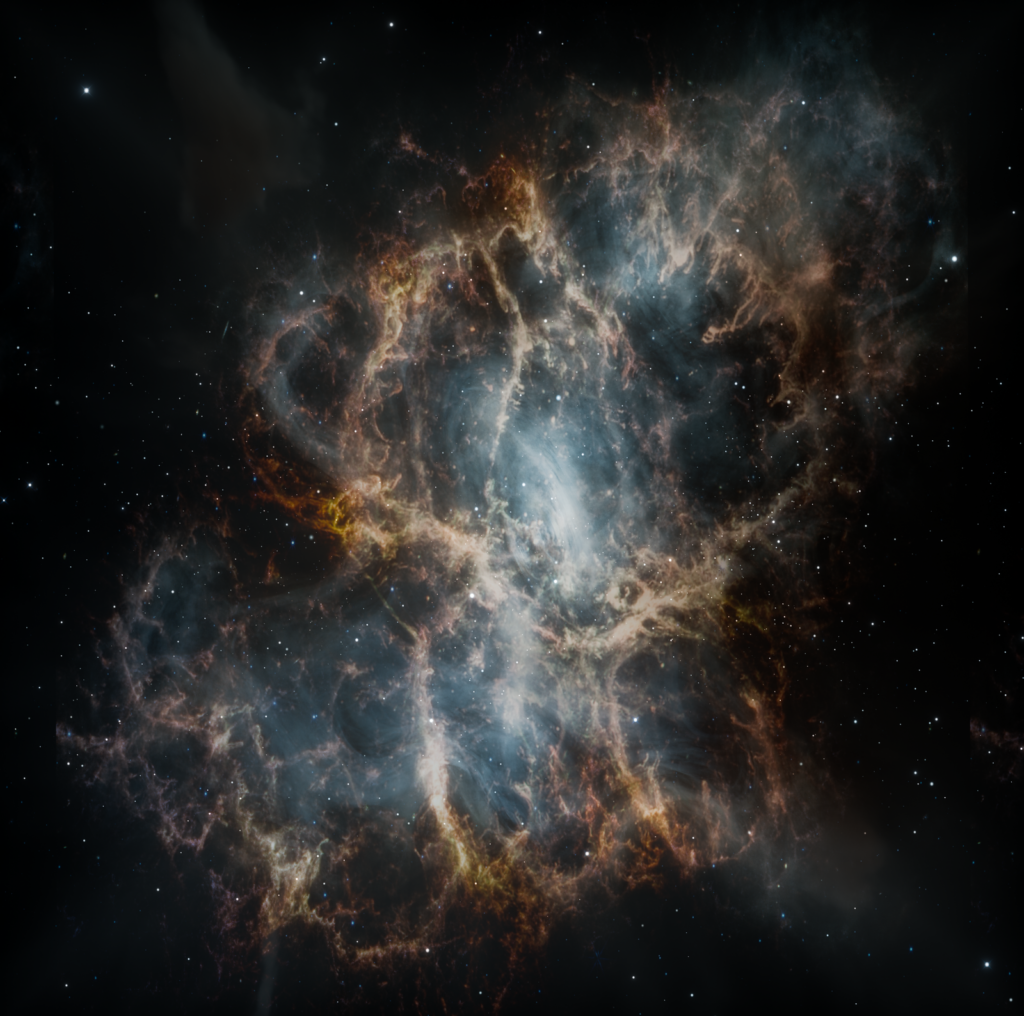
While hunting for the disputed planet Fomalhaut b, astronomers on Hubble noticed a second point of light appear out of nowhere near the same star, and Berkeley's Paul Kalas says it looks like the debris of a violent collision unlike anything in our solar system today
While hunting for the disputed planet Fomalhaut b, Berkeley astronomer Paul Kalas and colleagues caught a second point of light appearing in Hubble images of the same star — the debris of a collision between two 60-kilometre bodies, and a live view of the violence that built the rocky planets.
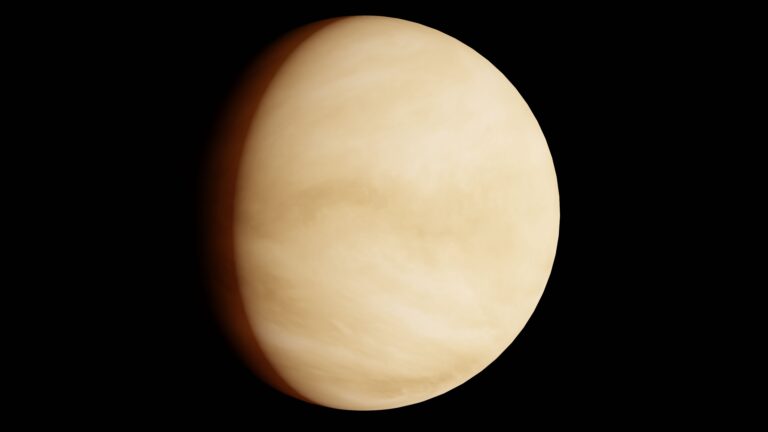
Venus’s 467°C surface can melt lead and has destroyed landers within minutes or hours, yet at roughly 50 kilometres altitude its thick atmosphere provides radiation shielding comparable to Earth’s. Curiosity measured about 0.67 millisieverts per day on the Martian surface, making a floating Venus habitat substantially safer from radiation—though certainly not from sulphuric acid, carbon dioxide or the challenges of remaining airborne.
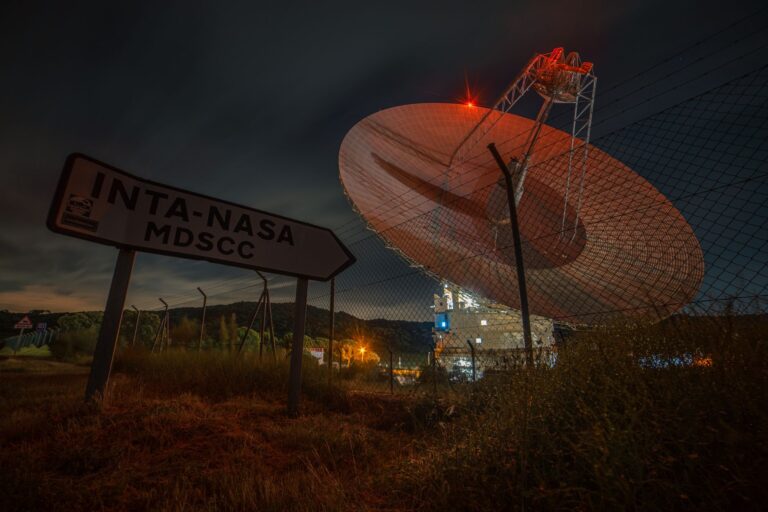
The Voyager probes were built to last five years. Forty-nine years later, NASA engineers performed an all-at-once power-saving swap on Voyager 2—despite commands taking about 20 hours to reach it—to keep its final three science instruments operating for at least another year, a challenge far beyond anything envisioned in its original design.
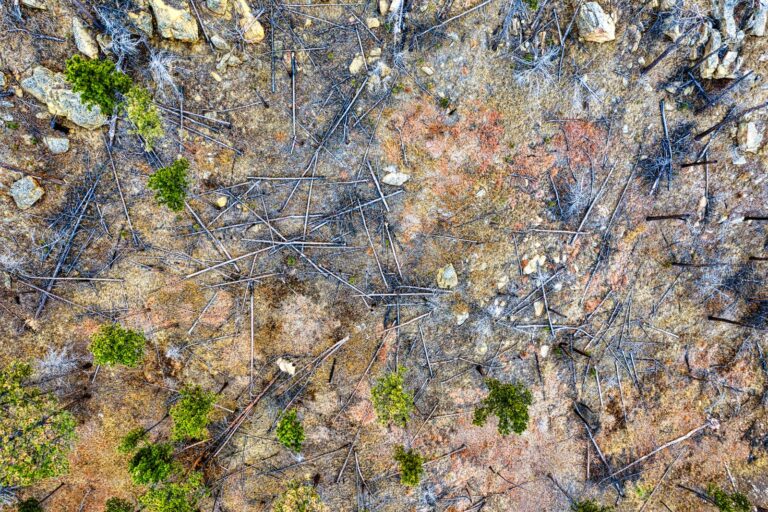
The Tunguska object vaporised almost entirely in the airburst, so Leonid Kulik's 1920s and 1930s expeditions mapped the event not from a crater but from the radial pattern of felled and scorched trees stretching hundreds of square kilometres from the epicentre

A funnel of pitch cut open in 1930 has produced only nine drops in 96 years, and scientists still expect the next one sometime in the 2020s
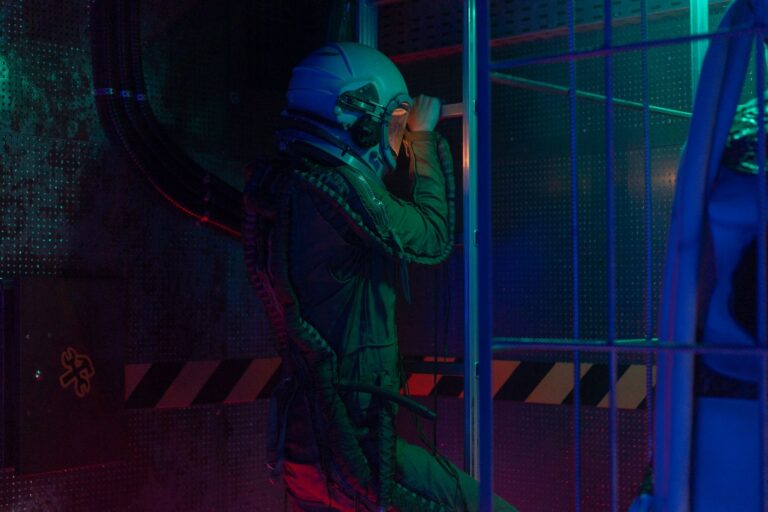
Michael Collins spent roughly 21 hours alone in the Apollo 11 command module while Armstrong and Aldrin were on the surface, and for 48 minutes of each orbit he was on the far side of the Moon with no radio contact to Earth, further from another human than anyone before him
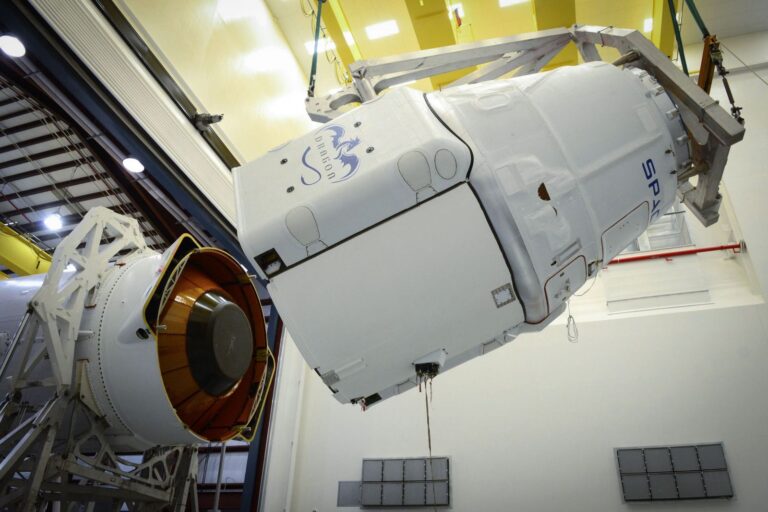
The Apollo 12 crew brought back Surveyor 3’s camera after 31 months on the Moon, and NASA reported finding live Streptococcus bacteria inside it, but later evidence pointed to contamination in Houston
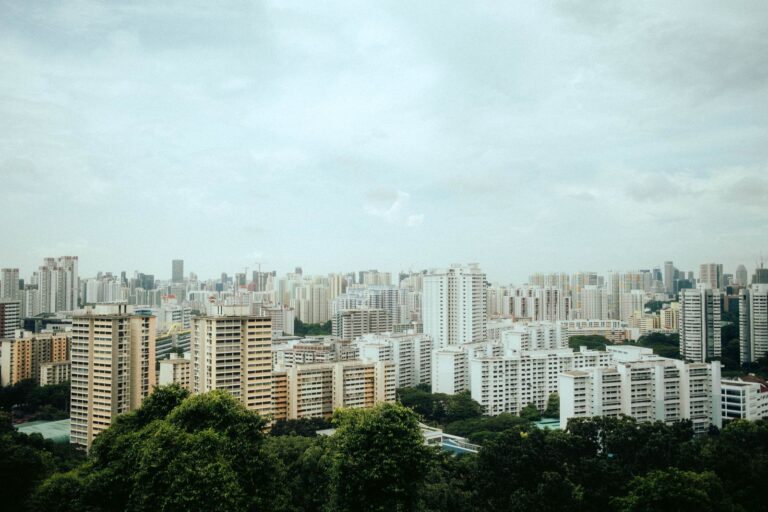
How does a city-state of just over six million people meet up to 40 percent of its water needs by recycling what residents flush and drain away?
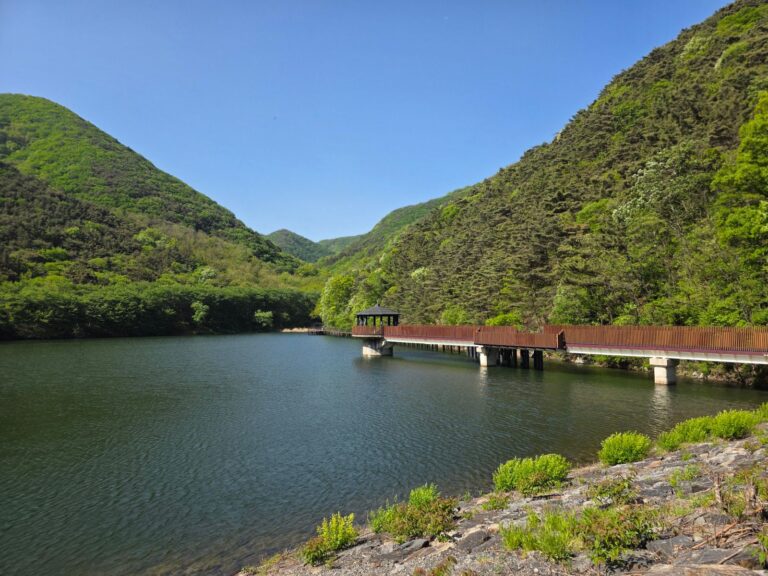
How did one half of a war-stripped Asian peninsula grow from 35 percent forest coile the other lost forests after the early 1990s?
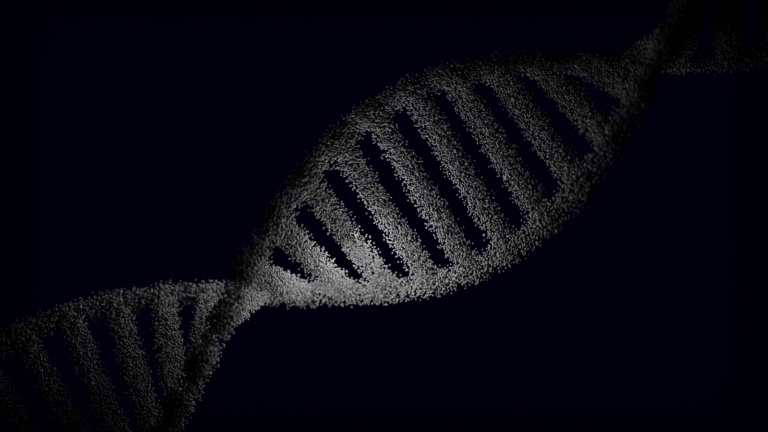
In May 1952, Rosalind Franklin's graduate student Raymond Gosling exposed a single photographic plate to DNA fibres for 62 hours in a King's College basement, and the sharp black cross on Photo 51 showed the double helix before Watson and Crick had finished their cardboard model
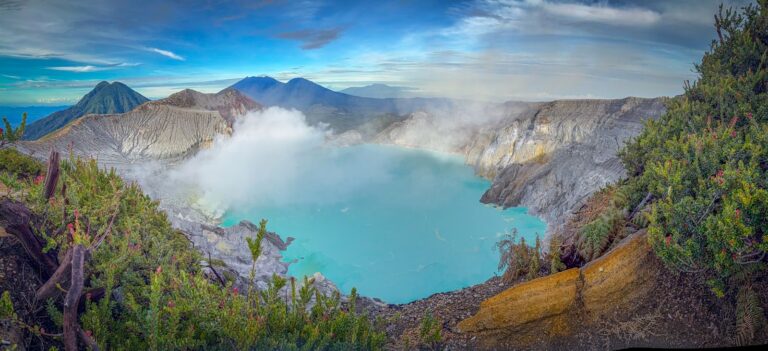
Why did a crater lake smaller than one square mile suddenly release a suffocating cloud one night in 1986 that killed 1,746 people and 3,500 livestock within hours?