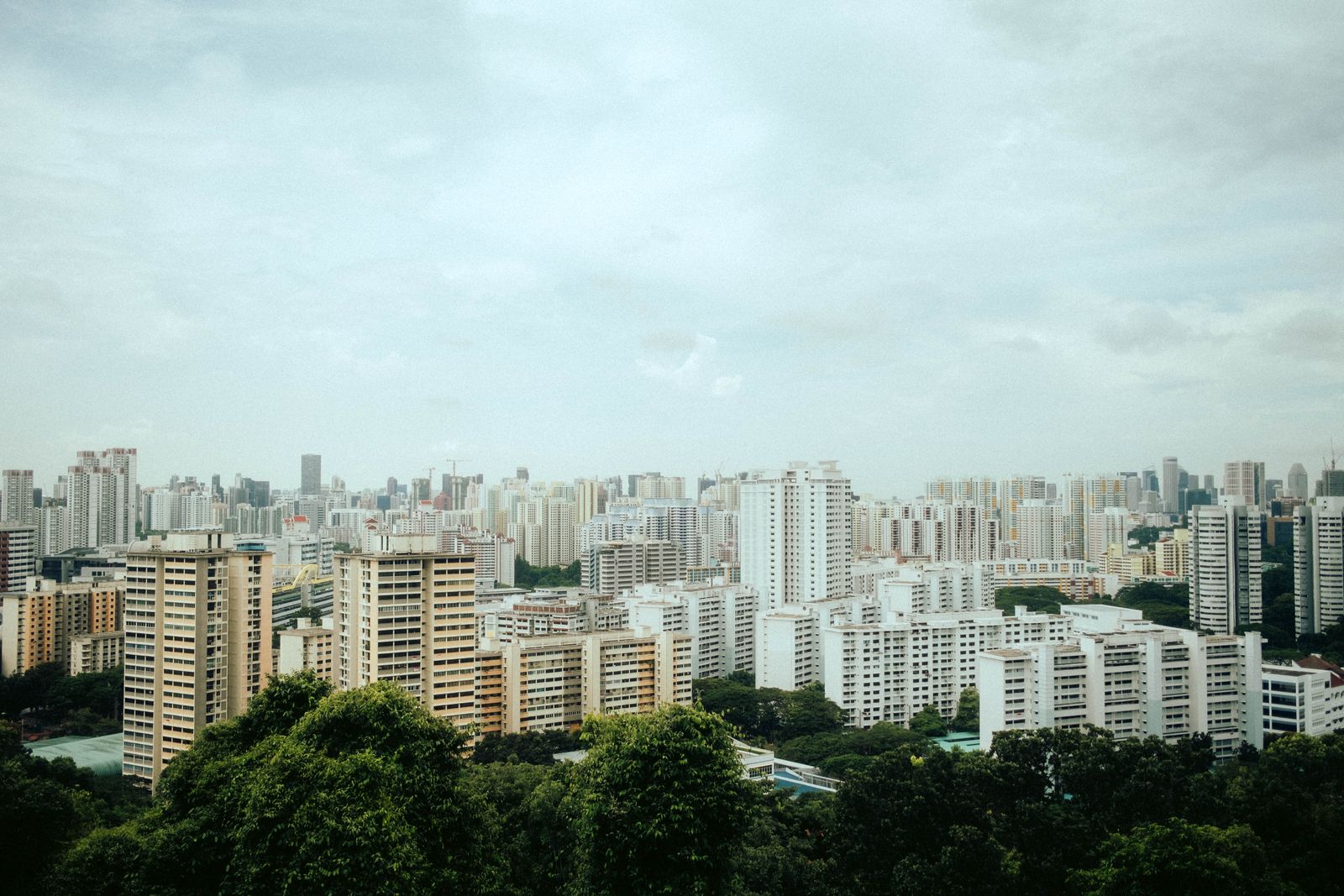
Singapore, whose total population stood at 6.11 million in June 2025, can meet up to 40 percent of its water needs with NEWater, the country’s high-grade reclaimed water. The answer is a national system that collects used water, treats it conventionally, then pushes it through advanced membranes and ultraviolet disinfection before sending it back into use.
That does not mean 40 percent of every household glass has travelled straight from a toilet to a tap. PUB, Singapore’s national water agency, supplies most NEWater to industry and adds a smaller portion to reservoirs during dry periods, where it mixes with rainwater and receives conventional treatment again.
Why water became a national-security problem
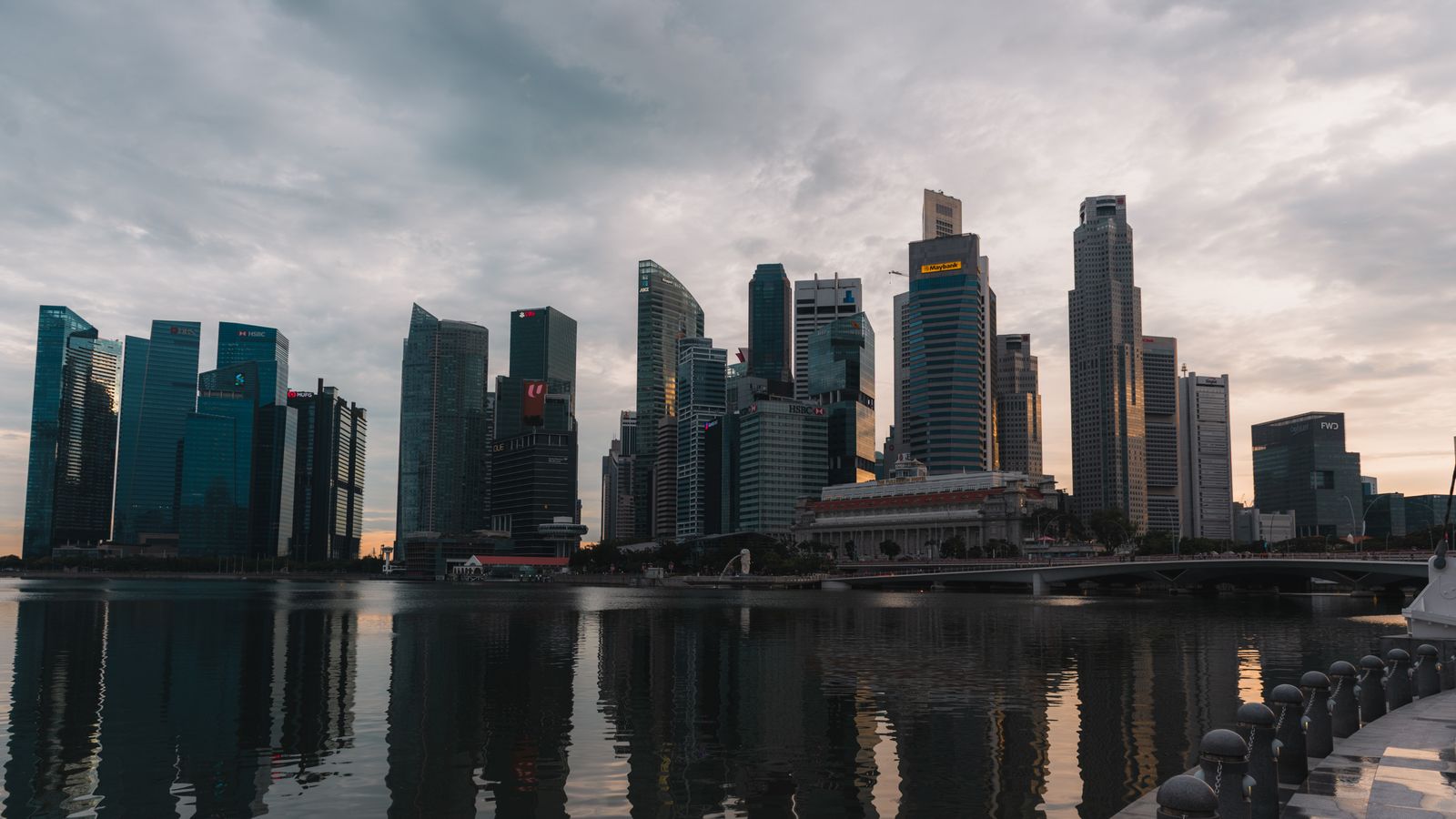
Singapore receives heavy tropical rain, but rainfall alone does not guarantee a secure supply. The island has limited land for storage and lacks the large rivers, natural springs, glaciers, and extensive aquifers that support many bigger countries, which is why the government classifies it as highly water-stressed.
Imported water became part of the answer through agreements signed with Johor in 1961 and 1962. The 1961 agreement expired in August 2011, while the 1962 agreement runs until 2061, and both were guaranteed in the 1965 Separation Agreement that established Singapore as an independent state.
That history turned water planning into something larger than ordinary municipal maintenance. Singapore built its strategy around the Four National Taps: imported water, local catchments, desalinated seawater, and reclaimed water sold under the name NEWater.
Local collection has expanded dramatically, with much of the island engineered to drain toward reservoirs. Even so, current demand is about 440 million gallons a day and could almost double by 2065, making rain and imports alone an increasingly narrow foundation.
The decisive move was to connect water supply, sewerage, treatment, and reuse under one national agency. Deep tunnels carry used water by gravity toward large coastal reclamation plants, allowing the same water to be recovered repeatedly instead of being treated as waste after one use.
What the three purification barriers actually do
The journey begins at a conventional water reclamation plant, not at the NEWater factory itself. Screens, settling, biological treatment, and other processes remove solids and break down organic material before the treated used water reaches the advanced purification stages.
The first advanced barrier is usually microfiltration or ultrafiltration. Hollow-fibre membranes remove fine suspended particles and bacteria, producing clear water that still contains dissolved salts and molecules small enough to pass through the pores.
Reverse osmosis is the second barrier. Pressure forces the water across a semi-permeable membrane while viruses, heavy metals, pesticides, many organic compounds, and dissolved salts are held back in a concentrated reject stream.
Ultraviolet disinfection provides the final biological safeguard by inactivating any remaining bacteria or viruses. PUB then adjusts the water’s chemistry, including its pH, so the finished product can move safely through storage tanks and pipes.
The result is not merely water that looks clean. PUB says NEWater was validated through thousands of physical, chemical, and microbiological tests and is now monitored across about 300 parameters, including benchmarks drawn from World Health Organization guidance and United States drinking-water standards.
Where the recycled water goes first
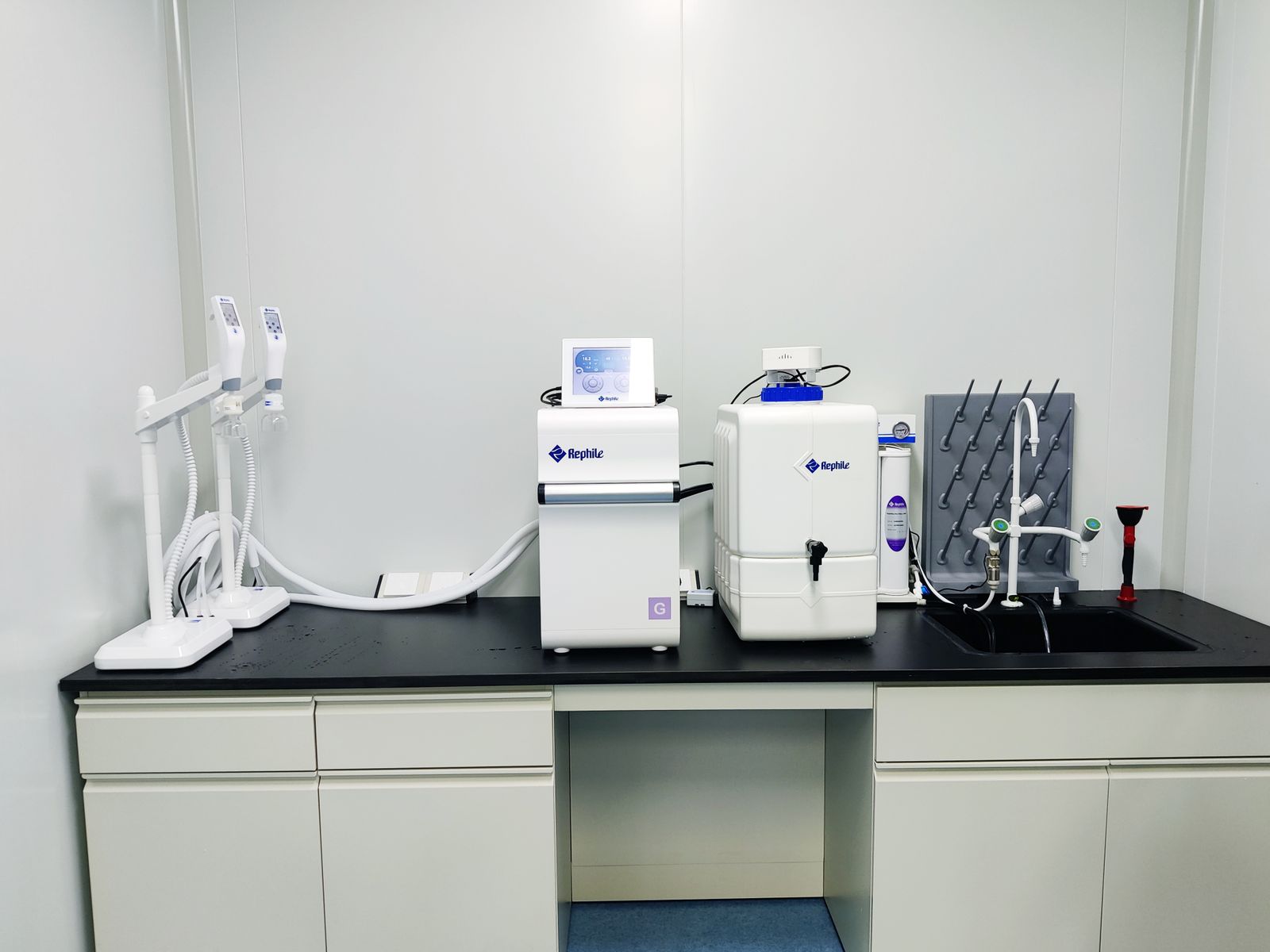
Most NEWater does not enter the household drinking network immediately. A dedicated pipe system carries it to wafer-fabrication plants, industrial estates, commercial buildings, and cooling systems that need large volumes of consistently clean water.
Semiconductor manufacturers are especially important customers because microscopic contamination can damage chip production. For them, NEWater’s low and predictable mineral content is an advantage rather than a public-relations challenge.
During dry periods, PUB also pumps NEWater into reservoirs. There it blends with collected rainwater before passing through the country’s ordinary waterworks and entering the potable network, a route known as indirect potable reuse.
This is why the most accurate headline figure is that NEWater can supply up to 40 percent of Singapore’s needs. It is a system capacity, not a promise that the proportion at every tap remains fixed from one day or season to the next.
It also makes a precise claim about last week’s flush impossible to defend. Water can move through reclamation plants, industrial networks, reservoirs, storage, and treatment works on different schedules, so individual molecules cannot be assigned a reliable seven-day journey from one apartment to another.
How Singapore made reused water feel ordinary
The engineering idea was older than the NEWater brand. Singapore investigated potable reuse in the 1970s, but early membrane systems were too costly and unreliable for national deployment.
By the 1990s, membrane performance had improved and costs had fallen enough for PUB to revisit the plan. A full-scale demonstration plant opened in 2000, giving engineers two years to test quality, reliability, and public-health safeguards before the public launch.
In August 2002, 60,000 people toasted National Day with bottles of NEWater. The first two production plants and a purpose-built visitor centre followed in 2003, turning an invisible treatment process into something school groups, families, and foreign officials could see and taste.
The visitor centre became part museum, part laboratory window, and part national reassurance campaign. When it closed permanently in July 2024 after more than two decades, PUB said it had welcomed over 1.7 million visitors.
Singapore’s public campaign worked by repeating the same evidence in different forms: visible membranes, bottled samples, scientific testing, industrial customers, and senior officials willing to drink the product publicly. It is safer to describe the result as broad acceptance than to claim near-universal approval without a current national survey.
The cost and the limit of closing the loop
Recycling water still consumes energy, especially during reverse osmosis, and Singapore imports much of the fuel used to generate electricity. PUB is therefore testing more permeable membranes, energy recovery, solar deployment, and other measures under its decarbonisation strategy.
There is also a physical ceiling. A reuse plant cannot produce more reclaimed water than homes and businesses send into the sewer system, so NEWater must remain one part of a portfolio that also includes rain capture, imports, conservation, and desalination.
Other dry cities are now moving toward the same technology on a slower timetable. The City of Phoenix is building advanced purification facilities to turn recycled water into a future drinking-water source as drought and shrinking river supplies place more pressure on the American Southwest.
The logic is familiar to spaceflight engineers. Space Travel has covered the International Space Station’s water-recovery hardware, the moment NASA cleared its crew to drink recycled water, and the Sabatier system that closes another part of the station’s water loop.
Singapore has built the largest everyday version of that closed-loop instinct across a living city. On a dry afternoon, water leaving a cooling tower, a reservoir outlet, or a hawker-centre tap may have passed through the island’s pipes before, not as a novelty, but as part of the machinery keeping more than six million people supplied.