
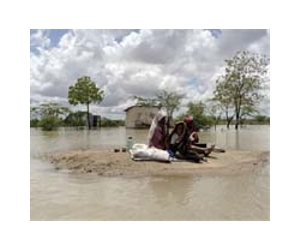
Torrential rains across East Africa have sparked flash floods that have swept away homes, bridges and lives in a region emerging from a harsh drought that plunged millions into hunger.
The annual rainy reason has seen unusually heavy downpour. Some 300 people were feared dead in eastern Uganda where days of rainfall this week caused a huge landslide that buried entire villages.
Meteorological officials have predicted more rains in the coming weeks as the March to May wet season peaks.
The meteorological department in Kenya, where six people were killed and dozens reported missing after flash floods Thursday, forecast that many areas in the country "are likely to experience near normal rainfall with a slight tendency towards above normal."
A similar forecast was put out by Ugandan authorities as they embarked on relocating thousands of residents from the landslide-stricken villages in the eastern Bududa district, fearing more mudslides.
The landslide which engulfed three villages in the region was one of the worst disasters to hit the east Africa country in recent years.
In neighbouring Tanzania, some 28,000 people were left homeless following heavy flooding in December and January in the country's eastern and central regions.
The railroad linking the commercial capital Dar es Salaam and the countryside was washed away by the raging waters, forcing travellers to take a 450-kilometre (290 mile) bus trip to catch trains to other parts of the country.
"The principal factors responsible for the observed and predicted weather are weak El Nino conditions," Tanzania's Meteorological Agency said in a statement.
Earlier this week, thousands of livestock were killed after heavy rains pounded Somalia's northern breakaway region of Somaliland, according to officials and residents.
"Around five thousand goats were killed by the floods in Tog-Wajale area where a river burst its banks," local elder Mohamed Adan Duale said.
Mired in almost uninterrupted civil conflict since the 1991 ouster of president Mohamed Siad Barre and plagued by recurring natural disasters, Somalia is often described as one of the world's worst humanitarian crises.
Response to disaster in this region is often only temporary, with relief aid rushed to victims and appeals for help sent out while long-term solutions to the recurrent crises are seldom sought.
And in the absence of permanent solutions, many of those affected by drought find no respite even when the rains come as floods sweep away their homes, destroy crops and bring water-borne diseases.
In Kenya, many of the victims of the current floods were also affected by last year's prolonged drought, declared a national disaster after it left some 10 million people facing food shortages.
The weather vagaries also hurt economies in the region, where agriculture is the main source of revenue and the mainstay of millions of people.
The latest rains also flooded 10 tourist lodges in Kenya, forcing the evacuation of some 500 tourists. Tourism is one of Kenya's top currency earners.
Share This Article With Planet Earth
