
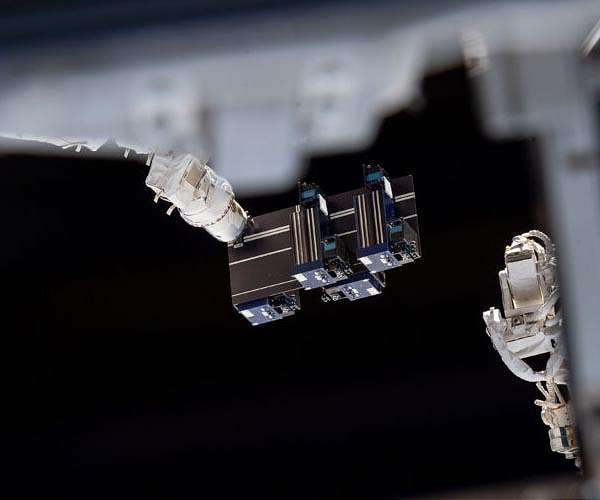
Space technology presents unique challenges, particularly when it comes to developing materials that withstand space conditions. As humanity explores deeper into space, the demand for innovative materials has never been higher. Space agencies and large institutions lead the charge, but students also play an invaluable role by contributing fresh ideas and technical abilities for innovation. However, many students face challenges with academic services, as many nerdify reviews complaints mention issues regarding the quality and timeliness of their services. Despite these challenges, students continue to be essential contributors to space exploration, offering valuable insights and solutions to advance technology.
1. Harnessing Academic Research to Foster Innovation
Students play an instrumental role in driving innovation within space technology through academic research. Universities and research institutions worldwide play key roles in creating new materials; graduate and doctoral students play an active role. Many receive guidance from experienced professors when conducting pioneering research – often working alongside industry partners such as NASA, SpaceX, or private space startups on pioneering efforts.
Materials science, engineering, chemistry, and physics students often investigate new materials and techniques that might provide solutions for problems like radiation resistance, thermal stability, and lightweight materials for spacecraft. Students might work on developing advanced composites capable of withstanding space's hostile conditions or innovative coatings designed to protect materials against micrometeoroids or cosmic radiation – many times this research leads to extraordinary materials with enhanced strength-to-weight ratios, improved conductivity, and self-healing abilities that result from student research projects.
Students pursuing research on space materials often benefit from internships, research assistantships, and university partnerships with space agencies as opportunities to conduct hands-on research in this area are made available through internships, research assistantships, or university partnerships with space agencies. Graduate-level students often become directly involved with groundbreaking space technology projects through these initiatives – giving them both invaluable experience as well as contributing directly to pushing the limits of space exploration forward globally.
2. Collaborative Activities with Space Agencies and Private Industry
Students play a pivotal role in collaborative efforts between universities, space agencies like NASA, and private companies such as SpaceX/Blue Origin. These organizations sponsor student projects, fund research projects, and offer internship opportunities for their members to work alongside industry professionals. NASA is widely known for its "Student Launch" and TechRise Challenge programs, where students propose and test novel ideas about materials or manufacturing techniques that contribute to real space missions while offering exposure to the space industry. Their innovative designs often lead to the discovery of new spacecraft materials for insulation or energy storage applications.
3. Pioneering Research in Nanomaterials and Smart Materials
With space technology continually progressing, there is an ever-increasing need for lightweight, durable, multifunctional materials that meet these criteria. Nanomaterials and smart materials have proven significant contributors; both types boasting unique molecular-scale properties have vast potential in space applications for weight reduction while maintaining strength, thermal resistance, and thermal conductivity; smart materials (those which respond to environmental changes like temperature or pressure fluctuations) offer great promise as adaptive systems in spacecraft.
Students working at the forefront of nanotechnology are developing cutting-edge materials with properties that could revolutionize space exploration. Students are exploring carbon nanotubes' extraordinary strength and conductivity as well as graphene's lightweight yet durable for use in lightweight spacecraft or insulation to protect equipment against extreme temperatures in space.
Smart materials that respond to heat or pressure have also garnered much interest in space technology. Students are working towards developing materials that can adjust their properties in response to harsh environmental conditions in space; for instance, spacecraft could use materials that expand and contract depending on temperature fluctuations – this reduces risks caused by extreme temperatures such as reentry or deep space. Through their work with advanced materials like these, students are contributing towards the next generation of spacecraft, satellites, and even habitats!
4. Prototyping and Testing New Materials
Students at universities are actively involved in prototyping and testing new materials for space technology using labs equipped with sophisticated tools such as vacuum chambers and thermal testing systems. These labs allow students to simulate space conditions and test materials' responses in extreme environments. Students then create prototypes of satellite technologies, space suits, and astronaut tools designed to meet the rigorous demands of space missions. Students also take part in multidisciplinary projects combining material science with other fields like robotics, artificial intelligence, and space medicine – developing materials that are both functional and practical for space exploration.
5. Grooming Future Innovators
Students play an essential role in developing materials for space technology. Not only can they contribute to current projects, but they are also primed and prepared to lead future innovations. By engaging with space technology early, students develop critical thinking, problem-solving, and collaborative skills – essential components of space exploration. Students working on cutting-edge materials, such as nanomaterials and smart materials, directly contribute to meeting space's unique challenges. Many then pursue careers in aerospace or materials science – driving technological progress forward while shaping space exploration's future and becoming pioneers within it.
