
The German environment ministry warned German engineering giant Siemens Monday against participating in a French deal to build a nuclear reactor in Libya. Siemens holds a 34-percent stake in the Franco-German nuclear engineering joint venture Areva NP, which is to supply the nuclear technology to Libya in a deal that has drawn criticism from throughout the European Union. "We must know what Siemens will say about this immoral deal," the parliamentary state secretary at the ministry, Michael Mueller, told the Handelsblatt business daily.
"Such deals are often organised via foreign subsidiaries — there are a lot of odd cases like this in the atomic energy sector."
The opposition Greens also cautioned the Munich-based company.
"Siemens would be wise in terms of its image and its responsibilities not to play with fire with this," the foreign affairs spokesman for the Greens' parliamentary group, Margareta Wolf, said.
Siemens declined to comment, Handelsblatt said, referring reporters to Areva NP.
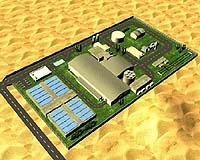
The French-Libyan accord, announced last week, envisions building a nuclear reactor for a water desalination plant.
German officials blasted the deal as "reckless" and a potentially serious blow to nuclear non-proliferation efforts as well as the European Union's aim to pursue better coordinated foreign policy.
Some officials also oppose the deal on environmental grounds, as Germany has a strong anti-nuclear lobby and plans to phase out nuclear power on its own soil by about 2020.
German government spokesman Thomas Steg said Monday that France was within its rights to export nuclear technology to Libya, but Berlin believed Paris should have held "close consultations" with its EU partners over the issue.
Source: Agence France-Presse
