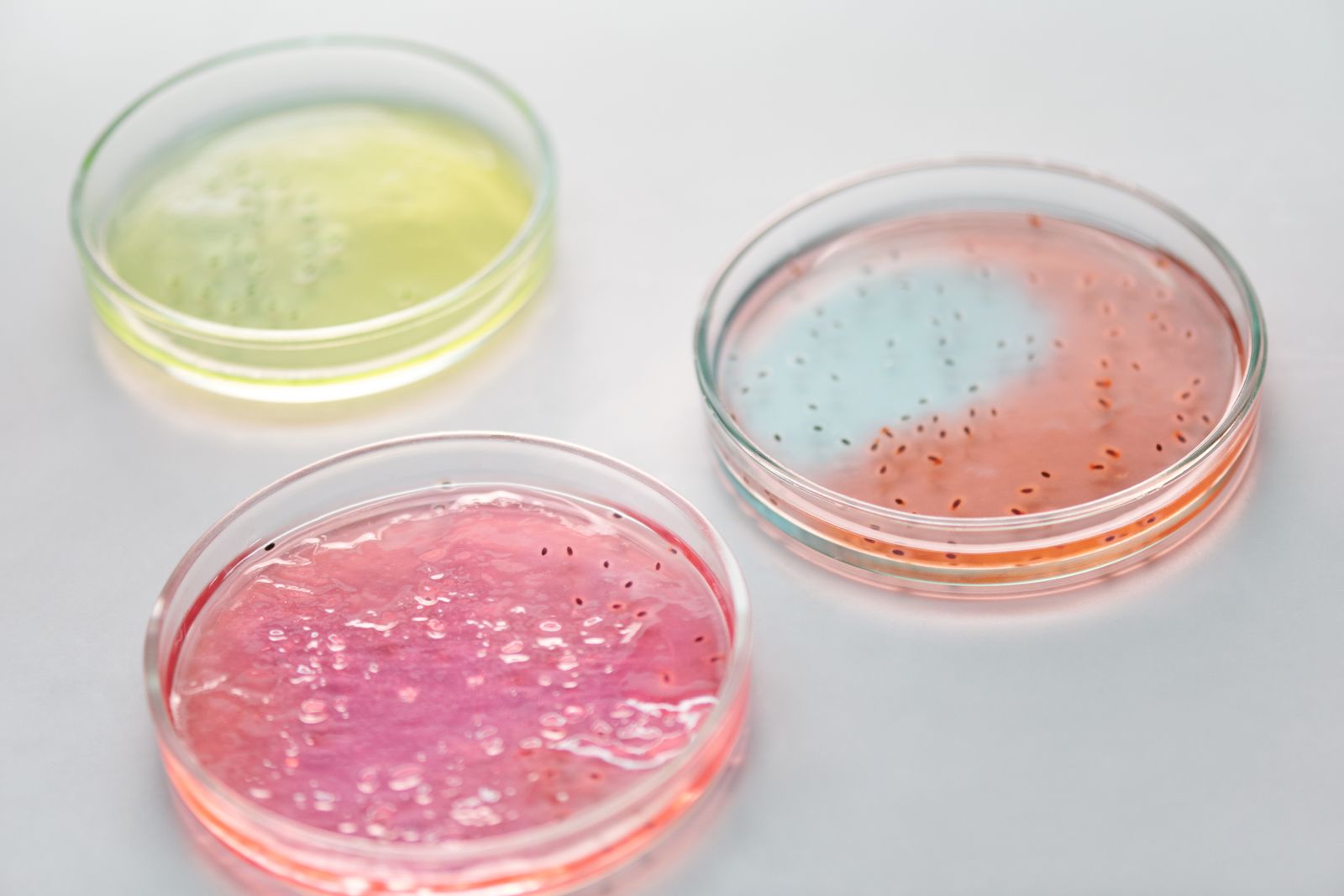
On September 3, 1928, Scottish bacteriologist Alexander Fleming returned to his laboratory at St Mary’s Hospital in Paddington, London, and began sorting through culture plates he had left behind before his summer holiday. One plate of Staphylococcus looked different from the rest. A patch of mould had taken hold, and immediately around it was a clear zone where the bacteria had stopped growing.
The American Chemical Society’s history of the discovery identifies September 3 as the day Fleming returned and examined the plates. The date September 28 has often appeared in popular retellings, but the earlier date is more consistent with the surviving historical account.
The contaminated plate did not become a medicine overnight. It took more than a decade, an Oxford research team, wartime cooperation and an enormous industrial effort before penicillin could be produced in quantities large enough to transform medical care.
The dish that should not have mattered
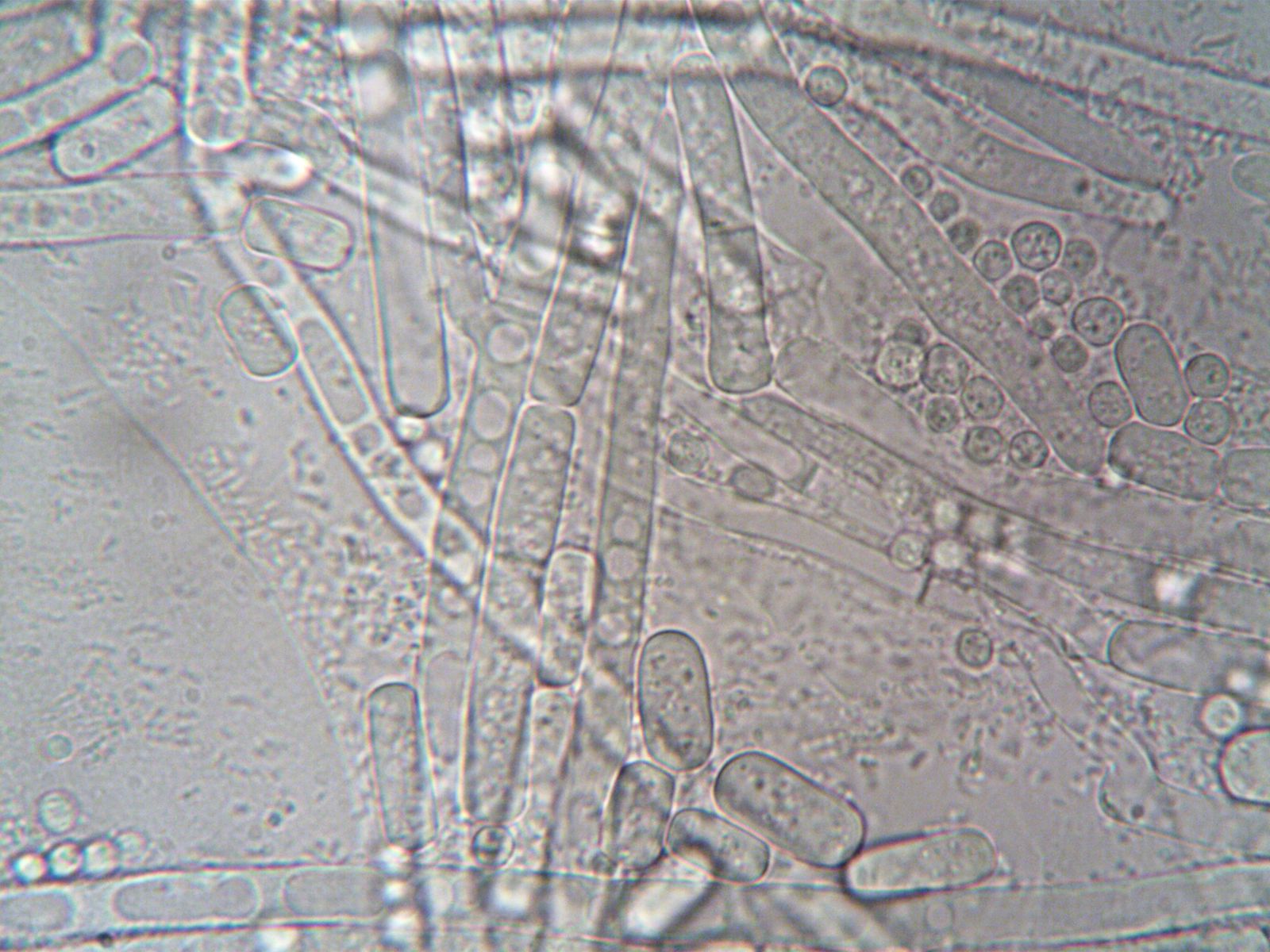
Fleming had been working with Staphylococcus, a group of bacteria associated with boils, abscesses, wound infections and other illnesses. On the contaminated plate, colonies close to the mould had become transparent or disappeared while bacteria farther away continued to grow.
The mould was known for decades as Penicillium notatum, and that historical name still appears in many accounts of the discovery. Modern genetic analysis has reclassified Fleming’s original isolate as Penicillium rubens.
The exact route by which the spore entered the plate is uncertain. Fleming at one point suggested that it had entered through a window, while a later explanation proposed that it came from a mycology laboratory elsewhere in the building. What can be established is that the mould had contaminated the culture and was releasing something that inhibited or destroyed nearby bacteria.
A later Smithsonian account compared the appearance of the plate to a rising sun, with the mould above a dark field of bacterial colonies. That is an evocative description of the surviving image, rather than a firmly documented quotation from Fleming himself.
Why the mess mattered
Fleming’s untidy laboratory has become the most familiar part of the story. A cleaner bench might have prevented the contamination, but disorder alone did not produce a scientific discovery. Contaminated cultures were common, and most would have been discarded.
Fleming recognised that this particular failure contained information. He preserved the mould, grew it in broth and tested the filtered liquid against different bacteria. Working with assistants Stuart Craddock and Frederick Ridley, he found that the substance was active against several important pathogens, including streptococci, meningococci and diphtheria bacilli.
He called the substance penicillin. In June 1929, Fleming published his findings in the British Journal of Experimental Pathology. A retrospective published by Healio reproduces part of Fleming’s description of the bacterial lysis.
The paper did not immediately launch a pharmaceutical revolution. Fleming’s preparations were crude, the active substance was unstable, and neither he nor his colleagues could purify enough penicillin to establish it as a reliable systemic drug.
The decade between discovery and medicine
Penicillin remained principally a laboratory tool during the 1930s. Fleming and others used crude preparations in limited experiments, but the compound deteriorated quickly and was difficult to separate from the liquid in which the mould grew.
The decisive next phase began at the University of Oxford in 1939. Howard Florey led a multidisciplinary team that included Ernst Chain, Norman Heatley, Edward Abraham, Margaret Jennings and several other researchers. Chain helped revive scientific interest in penicillin, Heatley developed crucial extraction techniques, and Abraham worked on purification and chemistry.
In 1940, the Oxford group tested penicillin in mice infected with lethal bacteria. The untreated animals died, while the animals given penicillin survived long enough to demonstrate that the substance could work inside a living body, not merely on a laboratory plate.
The first human trial
On February 12, 1941, an Oxford policeman named Albert Alexander became the first patient to receive systemic treatment with the Oxford team’s purified penicillin. He was gravely ill with a spreading infection and initially improved after receiving the drug.
The improvement demonstrated penicillin’s extraordinary potential, but the laboratory could not produce enough to complete the treatment. The researchers even recovered penicillin from Alexander’s urine so it could be used again. The supply was eventually exhausted, his infection returned, and he died the following month.
The University of Oxford’s Dunn School records Alexander’s treatment as the first systemic administration of penicillin in a human patient. The frequently repeated account that his infection began with a rose-thorn scratch is less certain than the treatment history itself and should not be presented as settled fact.
A wartime scale-up
Alexander’s case proved that the drug could work and also exposed the central problem: laboratory production could not meet clinical demand. Britain was already under immense wartime pressure, and manufacturing penicillin at an industrial scale required fermentation expertise and equipment that the Oxford laboratory did not possess.
In the summer of 1941, Howard Florey and Norman Heatley travelled to the United States. They were directed to the US Department of Agriculture’s Northern Regional Research Laboratory in Peoria, Illinois, where specialists were already experienced in growing fungi and improving fermentation methods.
Researchers found that corn-steep liquor, a nutrient-rich by-product of corn processing, dramatically increased yields. Work at Peoria and within American pharmaceutical companies also helped shift production towards aerated, submerged fermentation in large tanks.
A strain found on a mouldy cantaloupe from a Peoria market proved more productive than Fleming’s original isolate. Researchers improved that strain further through selection and mutation, creating the foundation for industrial penicillin manufacturing. The USDA credits the Peoria programme with developing methods that produced penicillin faster and in far larger quantities.
By the D-Day landings in June 1944, production had risen enough to provide penicillin for severely wounded Allied casualties. The drug reduced the danger posed by infected wounds and treated bacterial illnesses that previously carried a high risk of death or permanent disability.
In 1945, Fleming, Florey and Chain shared the Nobel Prize in Physiology or Medicine. The award recognised both the discovery of penicillin and the work that demonstrated its curative effect.
The warning built into the miracle
Fleming understood that penicillin’s effectiveness could be undermined. In his Nobel-era remarks, he warned that exposing bacteria to insufficient amounts of the drug could allow resistant organisms to survive and spread.
The Nobel Prize organisation records Fleming’s 1945 warning that improper antibiotic use could encourage resistance. The danger emerged almost immediately.
Penicillin-resistant staphylococci were recognised as early as 1942. Methicillin was introduced later as a treatment for penicillin-resistant infections, but methicillin-resistant Staphylococcus aureus, or MRSA, was reported around 1960 and 1961.
The pattern has repeated across many antibacterial drugs. A new treatment creates strong pressure favouring bacteria capable of surviving it, particularly when antibiotics are overused, taken incorrectly or allowed to circulate widely through people, animals and the environment.
Researchers are now exploring new drugs and more controlled ways of delivering existing ones. Work covered by Genetic Engineering & Biotechnology News describes an experimental form of penicillin activated by green light, an approach intended to concentrate activity at an infection site while limiting unnecessary exposure elsewhere.
The eye, not only the accident
The popular version of the story gives most of the credit to luck. Luck plainly mattered: the right mould reached the right plate, the organisms grew under compatible conditions, and Fleming happened to examine the culture before it was discarded.
But the contaminated plate was useful only because Fleming paid attention to it. Before penicillin, he had identified lysozyme, an antibacterial enzyme present in tears, saliva and mucus, after noticing that biological fluid had inhibited bacterial growth.
He also created pictures using differently pigmented bacteria. Ballerinas, soldiers and other figures appeared as colonies grew across agar, requiring careful timing and close observation. That unusual practice did not cause the discovery of penicillin, but it illustrates Fleming’s habit of looking closely at unexpected patterns.
Louis Pasteur’s observation that chance favours the prepared mind fits the story, provided that the preparation is not credited to Fleming alone. Recognising the plate was one act of scientific attention. Converting it into a medicine required chemistry, pathology, fermentation engineering, clinical testing, government coordination and industrial manufacturing.
What the clear halo changed
Attempts to calculate exactly how many lives penicillin has saved produce only broad estimates. The University of Oxford’s Dunn School cites a figure of more than 500 million, but totals of that kind cannot be reconstructed with precision across different countries, diseases and decades.
The scale of the transformation is nevertheless clear. Penicillin made previously lethal bacterial infections treatable and encouraged scientists and pharmaceutical companies to search systematically for additional antimicrobial substances.
Effective antibiotics also changed what other areas of medicine could attempt. Major surgery became safer because postoperative infections could be treated. Cancer chemotherapy and organ transplantation became more feasible because doctors had tools for managing some of the infections that threaten patients with weakened immune systems.
Penicillin did not create every antibiotic that followed. Cephalosporins, tetracyclines, macrolides, fluoroquinolones and carbapenems emerged from different organisms, chemical structures and research programmes. What Fleming’s plate helped establish was a scientific and industrial model: microorganisms could produce substances capable of suppressing other microorganisms, and those substances could be developed into medicines.
The laboratory that remains
The room associated with Fleming’s discovery survives at St Mary’s Hospital as the Alexander Fleming Laboratory Museum. Its reconstructed bench, period equipment and displays preserve the setting in which the contaminated plate was noticed.
The original plate no longer survives in its 1928 form, but descendants of Fleming’s mould do. Cryopreserved living samples of the original isolate are maintained in culture collections, and researchers have revived one of those samples to sequence its genome.
The enduring lesson is therefore larger than an accident on a cluttered bench. Fleming noticed the clear halo, but thousands of other decisions carried it from one plate to millions of patients. That same chain of observation, testing, collaboration and scale now faces its next challenge: preserving the antibiotic era against the resistance growing at its edges.