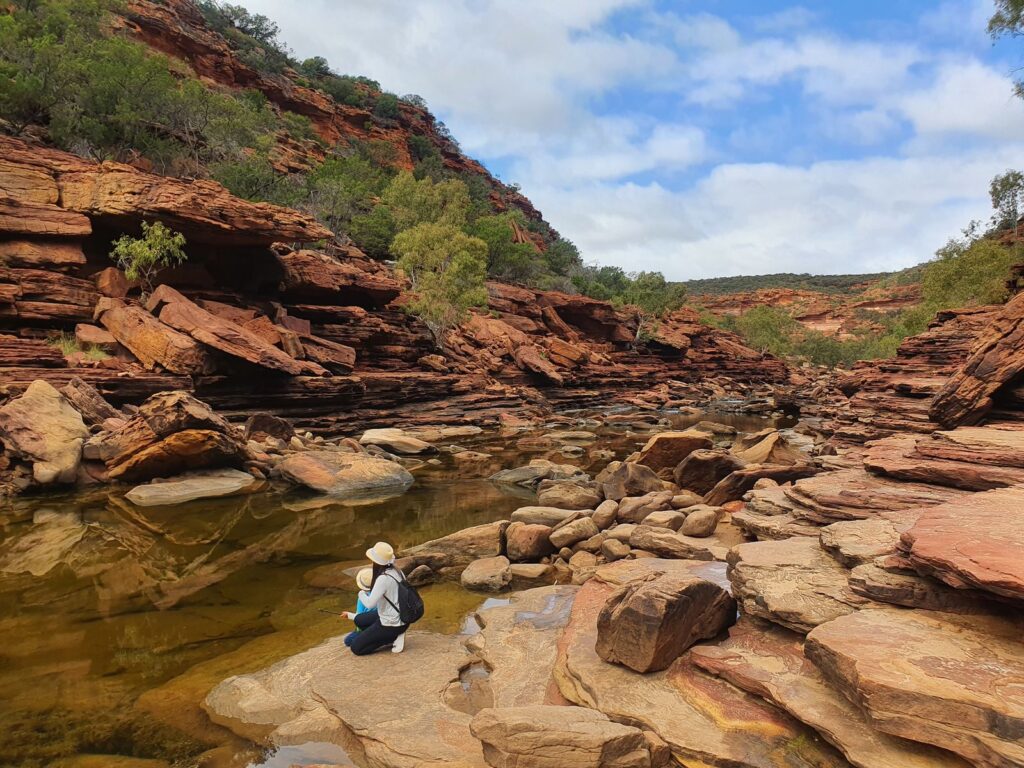
In September 1994, David Noble, an off-duty New South Wales National Parks and Wildlife Service officer, was canyoning in Wollemi National Park when he encountered a stand of trees he did not recognise. The discovery took place in a deep sandstone canyon about 150 kilometres north-west of Sydney. Material collected from the site eventually allowed botanists to describe a new genus and species, Wollemia nobilis, in 1995.
The discovery connected a living tree with an evolutionary history extending deep into the Cretaceous. Fossil evidence associated with the species dates back about 91 million years, while its most recent fossil record is about two million years old. Carrick Chambers, then director of the Royal Botanic Gardens, captured the scale of the discovery when he called it “the equivalent of finding a small dinosaur alive on Earth”.
A rare tree hidden near Australia’s largest city
Wollemi National Park covers roughly 500,000 hectares of ridges, cliffs, forests and narrow sandstone gorges. Its proximity to Sydney makes the discovery seem almost improbable, but its terrain contains secluded pockets that are difficult to reach. The Wollemi pines survived in one of those sheltered rainforest environments.
Noble’s original discovery consisted of one stand containing 19 mature trees. Later surveys identified additional stands, and the 2025 National Recovery Plan reports a single wild population divided among four discrete stands. As of June 2024, the plan recorded 45 adult plants and 46 juveniles.
Bark like bubbling chocolate
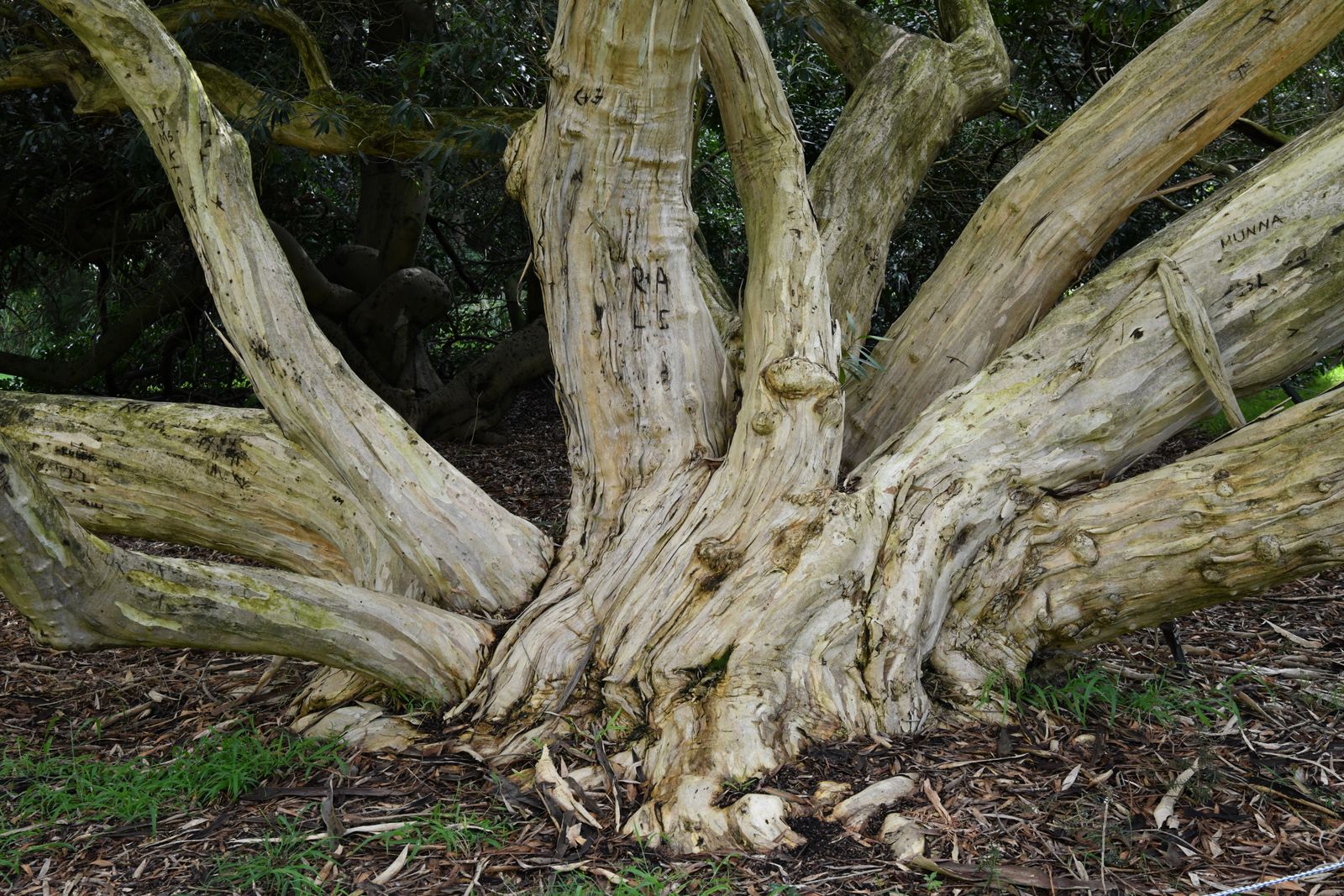
The Wollemi pine looks unusual even before its history is explained. Its dark, knobbly bark is regularly compared with bubbling chocolate, while its flattened foliage gives its branches a fern-like appearance. Wild trees can grow beyond 40 metres, although the average mature tree is considerably shorter.
Individual trunks can approach 90 centimetres in diameter, and mature trees commonly produce many trunks from the same base. This process, known as coppicing, allows a tree to replace damaged stems and makes the age of the whole plant difficult to determine. A single trunk may live for several centuries, while the root system supporting successive trunks may be substantially older.
What the fossils can and cannot tell us
The Wollemi pine belongs to the Araucariaceae, a conifer family with a history extending back about 200 million years. Its closest living relatives include kauri trees in the genus Agathis and species of Araucaria, such as the Norfolk Island pine and monkey puzzle tree. It is the only living species assigned to the genus Wollemia.
Fossil pollen called Dilwynites was long treated as evidence that Wollemi-like trees once grew across Australia, New Zealand, Antarctica and Patagonia. The current recovery plan cautions that some of this pollen may also have been produced by other members of the Araucariaceae. The fossils establish an ancient lineage, but they do not show that the modern species has remained genetically unchanged since the Cretaceous.
Very low diversity, but not one identical genome
Early genetic testing detected so little variation that the wild population was often described as genetically uniform. Later chloroplast sequencing found three chlorotypes, including one dominant lineage and two rare ones. The overall diversity remains extremely low, but those differences matter when scientists select material for seed storage, propagation and translocation.
The genetic evidence does not establish that the species spent the entire two-million-year gap in the fossil record inside its present canyon system. What it does show is a severe evolutionary bottleneck in a very small surviving population. Protecting each remaining genetic lineage is therefore as important as increasing the total number of cultivated trees.
What a Cretaceous lineage looks like on a greenhouse bench
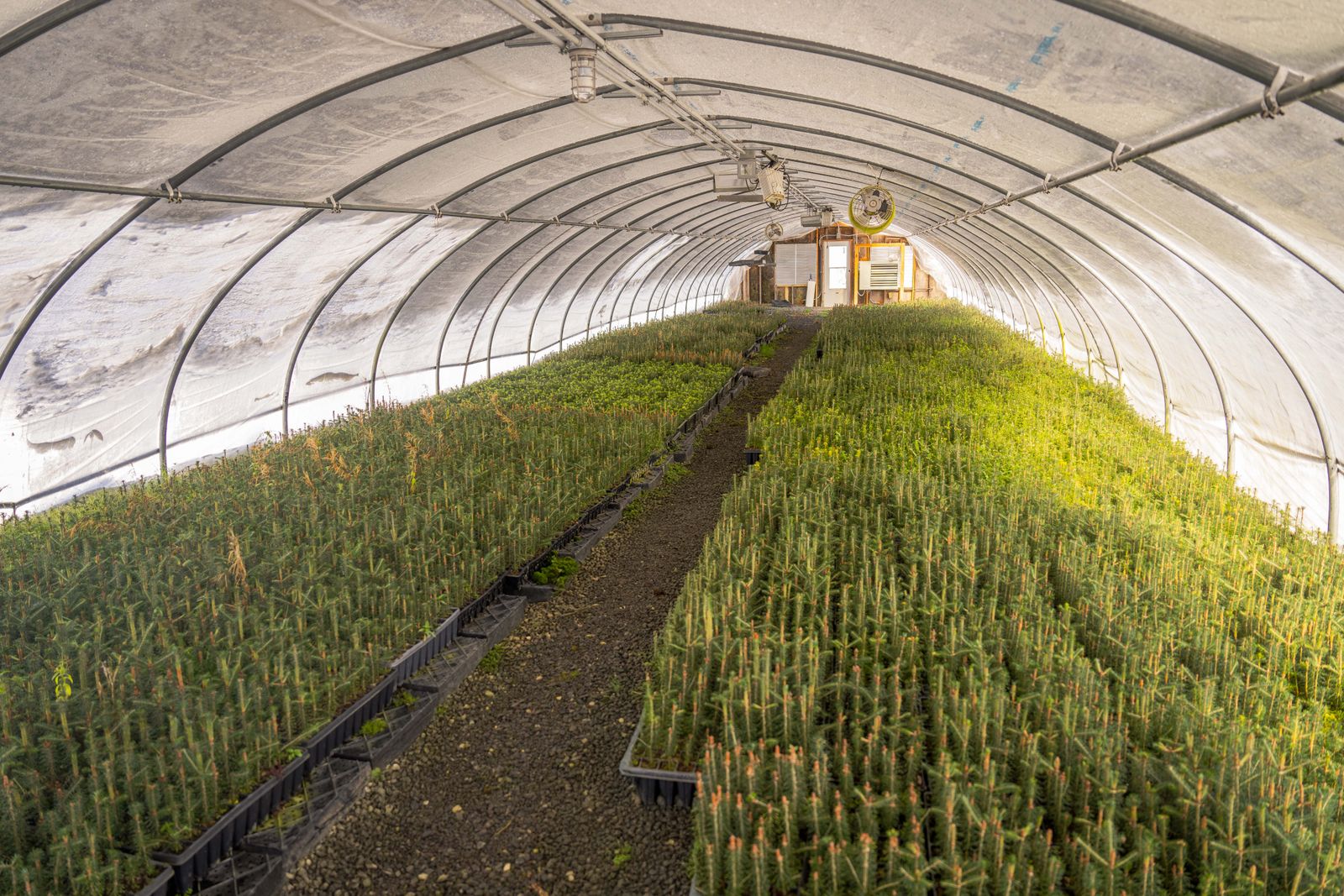
A commercial propagation programme was launched in the mid-2000s to reduce pressure from collectors and establish trees beyond the vulnerable wild site. Botanic Gardens of Sydney explains that growing Wollemi pines in homes, gardens and parks helps safeguard the species and discourages unauthorised visits. Cultivated specimens now grow in private gardens, public parks and botanical collections around the world.
One propagated tree named Wally was donated by alumni Judy and Rod McKeever to the Ecology and Evolutionary Biology greenhouse at the University of Colorado Boulder. A 2025 university profile described the tree as a living example of modern conservation for students and visitors. It grows in bright but indirect light and offers biology classes a close view of a species whose wild habitat is closed to the public.
Cultivation provides insurance against the species disappearing completely, but it does not make the wild population secure. Some cultivated collections represent only part of the genetic variation found in the canyon. They also cannot reproduce the ecological history carried by trees growing in their only known natural habitat.
A location kept off public maps
The exact coordinates of the four wild stands have never been publicly released. Access is restricted to essential staff and approved scientific teams, and visitors follow strict hygiene protocols. The secrecy protects seedlings, exposed roots and fragile soils while reducing the risk of weeds and pathogens being carried into the canyon.
That danger is not hypothetical. In 2005, Phytophthora cinnamomi was detected in the largest wild stand, and authorities believe contaminated footwear or equipment used by unauthorised visitors was the likely source. The pathogen can cause destructive root disease, while another species, Phytophthora multivora, is also listed as a threat.
The Black Summer fire operation
During the 2019 to 2020 Black Summer bushfires, the Gospers Mountain fire moved through Wollemi National Park and threatened the wild stands. Authorities prepared the canyon before the fire front arrived. Large air tankers dropped retardant, while specialist firefighters were winched into the site to install irrigation.
The operation helped reduce the fire’s intensity around the mature trees, but the wild population did not escape unharmed. The national recovery plan records extensive mortality among seedlings and juveniles, along with significant damage to several adults. It also reports that the wild population and all three translocated stands were affected by fire.
When the smoke cleared, the adult population had survived, although recovery will take decades for some age groups. Journalist James Woodford, who has chronicled the Wollemi pine since its discovery, described the trees as a symbol of what people can achieve when they commit to protecting something. The survival of the stand was both a conservation success and evidence of how dependent it had become on active intervention.
Not the only Australian plant brought back from the brink
The Wollemi pine is Australia’s most famous botanical rediscovery, but other plants have returned after being considered lost. Ballarat Botanical Gardens maintains backup populations of endangered and threatened indigenous plants through propagation and seed collection. Its work includes the stiff groundsel, which was believed extinct from the 1890s until four plants were rediscovered in 1991.
The Ballarat collection forms part of the Victorian Care for the Rare programme coordinated through Botanic Gardens Australia and New Zealand and Royal Botanic Gardens Victoria. Some plants in the programme survive at only a handful of natural sites. Like the Wollemi project, the programme combines protection in the wild with seed banking and cultivated backup populations.
Deep time and a changing Australia
During the Cretaceous, Australia remained connected to Antarctica and supported extensive Gondwanan forests. Fossils show that Araucariaceae were once far more widespread and diverse than they are today. As Australia’s climate and vegetation changed, rainforest habitats contracted and ancient conifers disappeared from much of their former range.
The Wollemi pine’s sheltered canyon provided the cool, moist conditions in which one population persisted. Its survival does not mean that the species stood still while the rest of Australia changed. The living trees are modern organisms from an ancient lineage, still reproducing, responding to disturbance and accumulating small genetic differences.
What happens next
Conservation now extends far beyond guarding the original canyon. Two remote translocated populations were established inside Wollemi National Park in 2019, and a 2024 NSW Government update reported that hundreds of additional saplings had been planted at those sites. Genetically representative living collections have also been established in Australia and distributed to botanical gardens overseas.
Seed banking adds another layer of protection, but its provenance matters. In October 2025, Kew reported that seeds collected from cultivated Wollemi pines at Wakehurst had been banked in the Millennium Seed Bank. Those seeds strengthen the overseas backup network, but they are not a substitute for conserving every lineage found in the wild population.
Fire, disease, illegal visitation and climate change remain recognised threats. The most authoritative published count records 45 adults and 46 juveniles across four wild stands as of June 2024, with many young plants still recovering from the Black Summer fires. More than three decades after Noble entered the gorge, the Wollemi pine remains alive in the wild, but only because secrecy, research, propagation and direct intervention continue to hold the line.