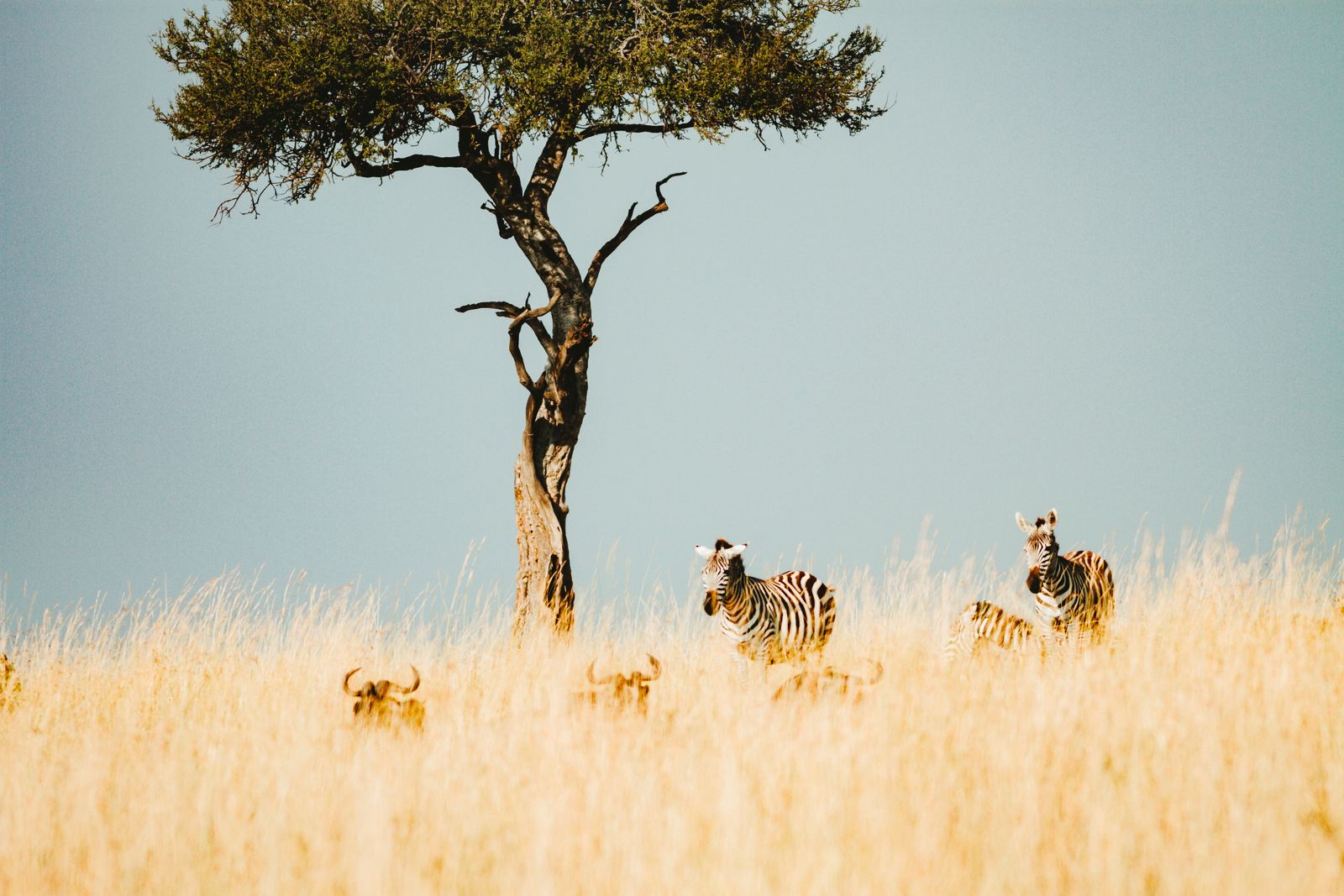
The community is the Maasai of Kenya’s Greater Amboseli ecosystem, and the mechanism is not a single reserve or conservation program. It is a combination of keeping large areas open to seasonal livestock and wildlife movement, allowing controlled cattle grazing inside some community conservancies, paying landowners to leave conservation parcels unfenced, employing local rangers, and compensating verified livestock losses to predators.
The recovery is substantial but uneven: Big Life reported about 250 lions in Amboseli in August 2025 after retaliation had nearly eliminated them in the early 2000s; the Amboseli Trust for Elephants counted 1,903 known living elephants at the end of 2024; and the African Conservation Centre reports Maasai giraffe numbers rising from about 2,000 to about 6,000 in fifteen years.
That works because Amboseli National Park is only the protected core of a much larger working landscape. A 2022 mapping study described the Amboseli ecosystem as roughly 10,000 square kilometres, much of it land where livestock, people and wildlife still have to move through the same dry country rather than remain inside separate boxes.
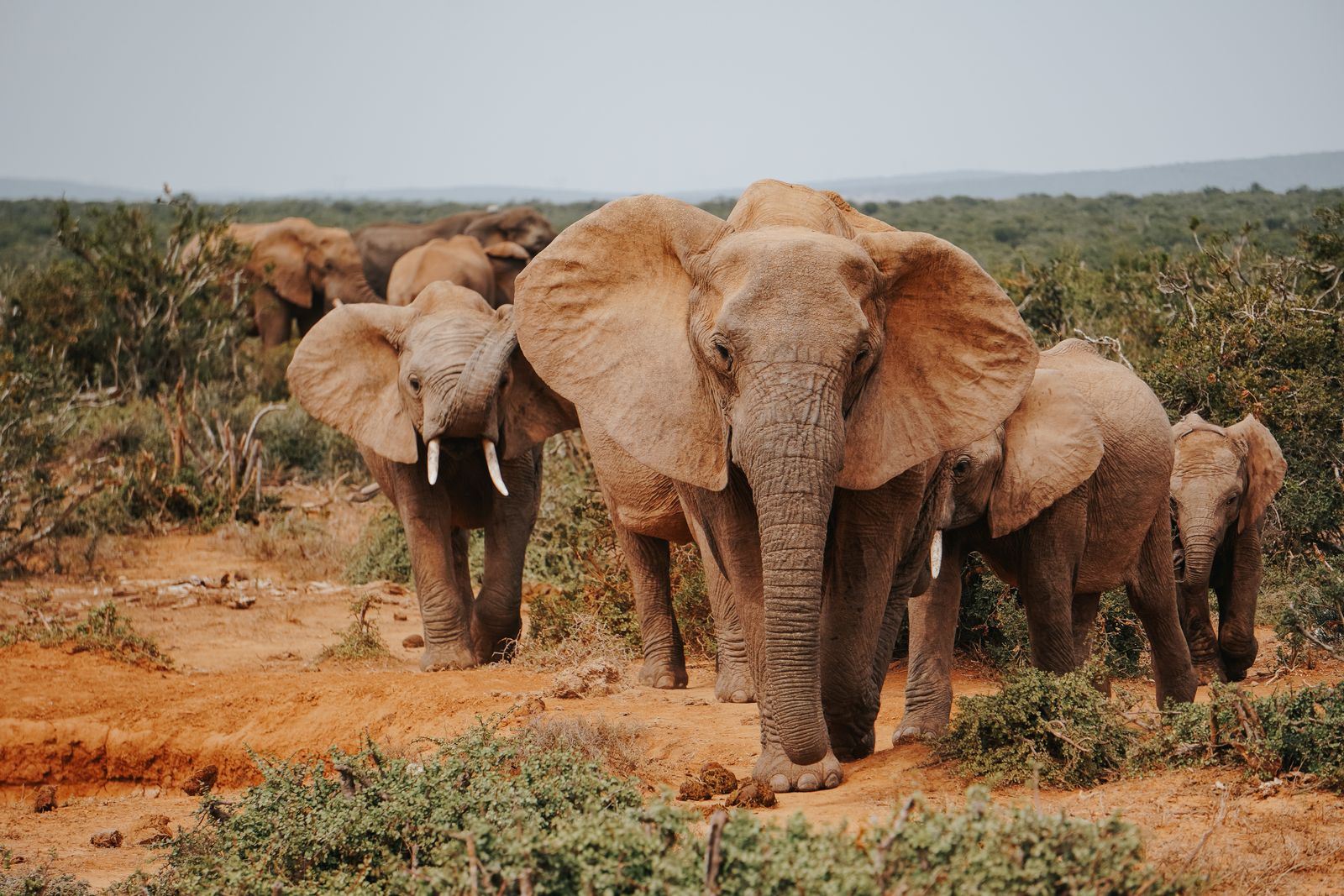
None of those population curves is a smooth ascent. The elephant project recorded 179 deaths in 2022 and another 67 in 2023 during severe drought, followed by only 14 known deaths in 2024; its monitored population rose from 1,878 at the end of 2023 to 1,903 one year later. Recovery here means surviving repeated shocks while retaining enough connected habitat to spread out again when rain returns.
The recovery happened outside the park as well as inside it
Elephants make the geography obvious. GPS tracking by the Amboseli Trust for Elephants shows adult females spending considerable portions of the year on community-owned land outside the national park, while young males range across the wider ecosystem and some move well into Tanzania. The park protects crucial water and habitat, but the animals do not recognise its boundary as the edge of their world.
Lions are an even sharper example of what changed. Big Life says retaliatory killing following livestock losses had pushed the Amboseli population close to local disappearance in the early 2000s. Predator compensation, community ranger work and programs run with other conservation partners followed, and Big Life put the population at approximately 250 in 2025.
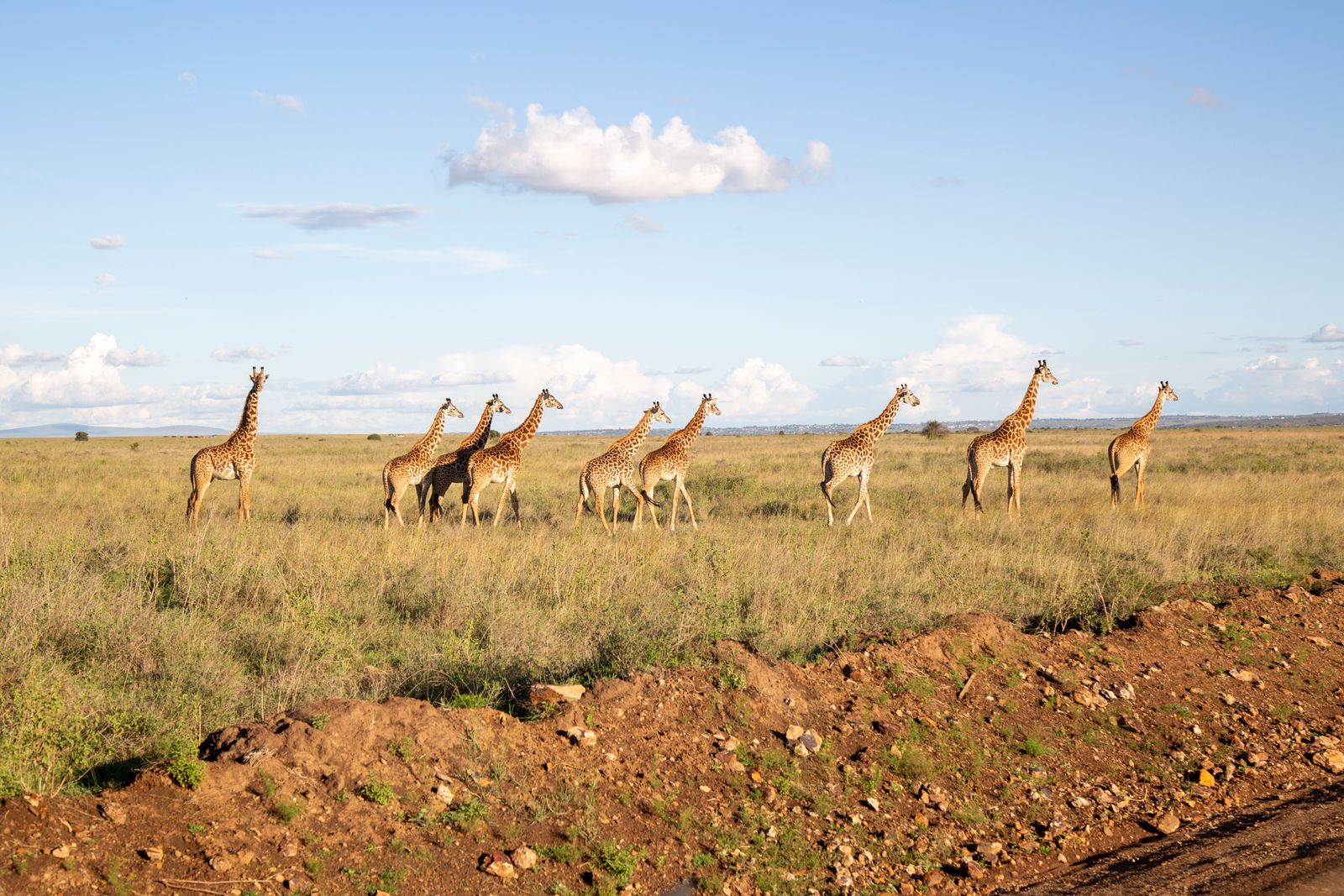
Giraffes followed a different path. The African Conservation Centre attributes their rise in Amboseli partly to tourism income supplementing livestock livelihoods and to hundreds of community rangers protecting wildlife from bushmeat poaching. Its reported increase from about 2,000 to 6,000 animals happened over fifteen years, not as an uninterrupted two-decade climb.
Long-term monitoring also warns against turning those successes into a claim that everything in Amboseli is increasing. A five-decade analysis published in Ecosphere found species moving in different directions as poaching, farming, subdivision, settlement and habitat change altered the ecosystem. Elephant numbers recovered after the ivory-poaching crash of the 1970s, while giraffe, oryx and kongoni suffered heavily from the bushmeat trade before later recovering to varying degrees.
The important contrast, then, is not thriving community land versus a ring of failing fenced reserves. A 2022 Frontiers study mapping fencing across southern Kenya found 21,150 kilometres of fencing on private land within the Amboseli ecosystem. It also found considerable areas of very low fence density around Amboseli National Park, especially where communities had set land aside for conservation.
Why mobile cattle can coexist with mobile wildlife
Amboseli is dry enough that movement is part of the production system. Rainfall creates pasture in one place and then another, so a herd that can shift between seasonal grazing areas can use resources that would be difficult to exploit from one permanently occupied plot. Wildlife responds to much of the same changing geography.
The clearest recent example comes from the former Olgulului-Ololarashi Group Ranch surrounding Amboseli National Park. A 2025 study in Pastoralism documented three new community-owned conservancies created during subdivision. Their agreements preserve controlled grazing rights for Maasai herders while requiring conservation parcels to remain free of fences and permanent infrastructure.
Some of those conservancy areas overlap with what Maasai grazing practice calls enkaroni: land kept available for difficult periods such as drought. The same open ground can also contain wildlife dispersal areas and migration routes. Conservancy rules therefore do not simply remove cattle from wildlife habitat; in these cases they formalise when and how grazing can continue while preventing the land from being permanently sealed off.
That flexibility becomes harder once families settle permanently around water, roads and services. The Amboseli Conservation Program reported in 2024 that settlement numbers had grown seven-fold during the transition from seasonal migration toward permanent settlement. Its concern is not the existence of cattle itself, but the loss of mobility and the heavier continuous pressure that follows subdivision and sedentarisation.
Fixed agriculture creates a harder boundary still. Reporting from the Kimana wildlife corridor in 2020 described a proposed avocado development in a route connecting Amboseli with the Chyulu and Tsavo landscapes. Researchers cited in that reporting recorded roughly 10,000 elephant trips and more than 25,000 zebra movements through the corridor over three years, illustrating why a fence in the wrong place can matter far beyond the acreage it encloses.
The predator bargain is narrower than a slogan
Sharing grass with herbivores is one problem. Sharing a landscape with lions that sometimes kill cattle is another. Big Life’s Predator Compensation Fund, started in 2003, pays participating Maasai livestock owners a portion of the value of animals confirmed to have been killed by lions, leopards, cheetahs or hyenas.
The payment is conditional, not automatic. Verification officers investigate livestock losses, penalties can be imposed for poor husbandry, and compensation can be withheld when members of participating communities kill predators in retaliation. The community also contributes 30 percent of the compensation paid.
That is different from the original draft’s suggestion that a lion killing a cow simply produces a payment “within days.” The published program rules support a verification-and-compensation system, but not that timing claim, so the promise of an immediate payout has been removed.
The program is also not a universal compensation scheme covering every Maasai household around Amboseli. Big Life says it currently operates the fund on Mbirikani and Eselengei group ranches and in the Kimana conservancies. Other communities and conservation organisations use different arrangements.
Land-lease income is similarly less tidy than a guaranteed annual dividend reaching every boma. The 2025 Olgulului-Ololarashi research found strong local support for the new conservancies, but it also recorded anxiety about elite capture, opaque agreements and earlier irregular lease payments. At the time of the study, only landowners in the Nairrabala corridor had received payments from the newer arrangements.
What can still break the system
The first pressure is physical fragmentation. The 2022 fencing study mapped more than 21,000 kilometres of fence in Amboseli’s private-land category and found that private areas had the highest fence density among the land-tenure types it compared. For an animal that must move between wet-season and dry-season range, a landscape can remain green on a satellite image while becoming progressively harder to cross on the ground.
The second pressure is permanent cultivation in the wrong place. An orchard, irrigated field or settlement can be economically rational for an individual landowner while still closing a route used by elephants, zebra or cattle. The Kimana dispute showed exactly why corridor planning becomes difficult after plots have been cleared, drilled and fenced.
The third is institutional. Conservancies depend on agreements surviving changes in land ownership, local politics and tourism revenue. If grazing access becomes uncertain, payments arrive irregularly or lease terms are not transparent, the incentive to keep a valuable private parcel open can disappear faster than the wildlife using it can find another route.
Then there is drought, which no lease document can prevent. Amboseli’s 2022-23 drought killed large numbers of elephants even while the broader conservation system remained intact. Open range does not eliminate ecological limits; it gives animals more options for responding to them.
Protected areas remain indispensable in this picture. Amboseli National Park supplies core habitat and permanent water, while community land supplies much of the space required for seasonal movement. Treating one as a substitute for the other misses the geometry: the park works best when the land around it remains permeable enough for animals to leave and return.
What coexistence looks like now
The most recent elephant tracking shows how provisional that permeability is. Females still spend substantial time on community-owned land, and connectivity remains possible across much of the ecosystem, but the Amboseli Trust for Elephants warns that fencing and other human pressures are increasing. The routes are still functioning; that does not mean they are permanent.
Space Travel has looked at very different recovery mechanisms in the return of Père David’s deer to China and the rebuilding of the Apennine chamois population in Italy. Neither is a direct analogue for Amboseli: one depended heavily on captive reintroduction and managed reserves, the other on releasing founders into protected mountain habitat. Amboseli’s unusual feature is that large wild mammals and livestock still occupy much of the same moving landscape.
At the end of a dry day, cattle still have to come back toward a settlement while elephants may be moving out from the swamps toward forage beyond the park. Between those movements lie title deeds, lease agreements, wire fences, conservancy boundaries and strips of ground that remain open. The recovery of Amboseli’s lions, elephants and giraffes is visible in the counts; whether it lasts will be decided in those spaces between them.